





















The lben, lightly salted or unsalted (according to taste), is heated in a pot. The whey will curdle. The solid part separates from the liquid. The hot mixture is poured through a sieve lined with muslin.
Tied in a purse shape, the muslin is then hung up to allow the curd to drain; the K'lila is ready.
It can be eaten fresh or dried. To dry it, K'lila is crumbled over a clean cloth placed in a well-ventilated, shaded area. It dries completely. Once hardened, the pieces of K'lila are stored and used in winter as a source of protein.
Today, K'lila is found exclusively in the Oriental region, from north to south, particularly among the Nomads. They prepare it in large quantities, due to their role as livestock farmers, for their own consumption and to sell at the weekly souks.
TASTING
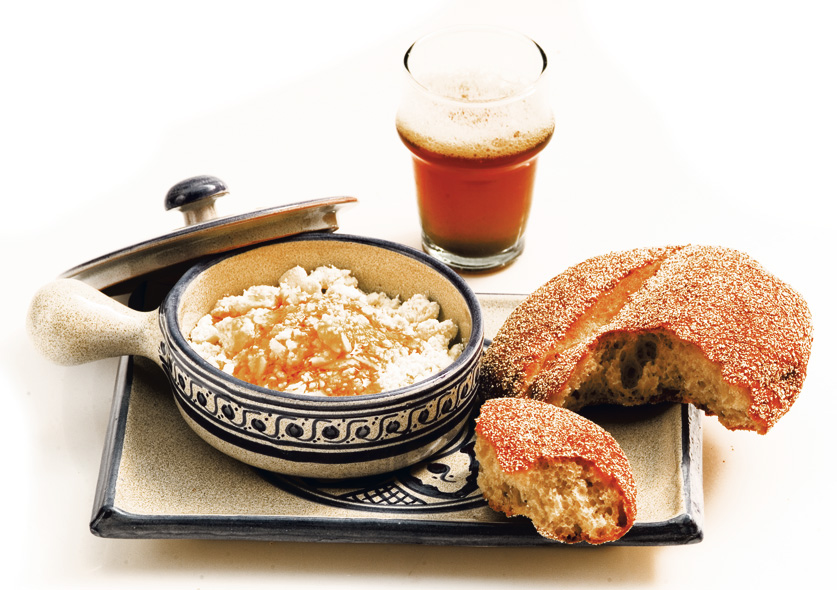
Fresh K'lila can be served, like Jben, with bread and honey. It is also eaten with dates. It can also be crumbled into Lben or milk and served in bowls.
Dried kelp is used to flavor Berkoukch (a type of soup made with grains and starches), cereal-based soups (H'ssoua), Harira, and couscous broth. Dried kelp imparts a slightly rancid flavor, similar to that of S'men, which is highly prized by Moroccan palates. It also adds flavor to winter lentil and white bean dishes.
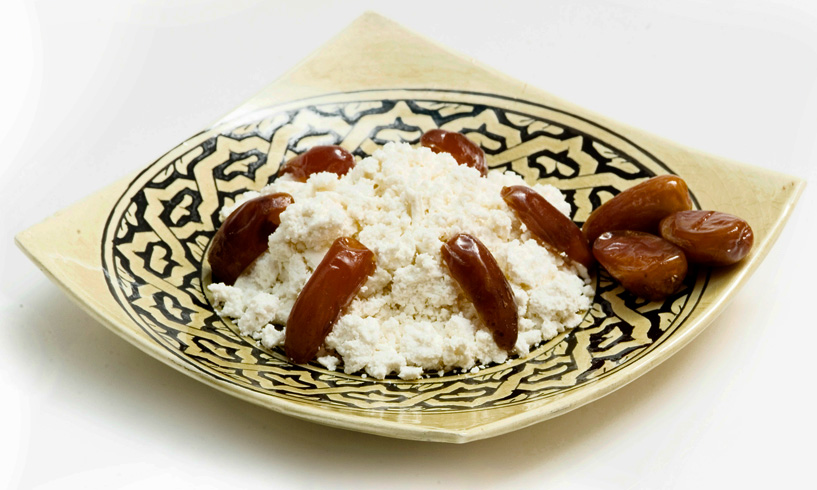
Reduced to powder, the dried K'lila is worked hot with pitted soft dates and a little butter until a homogeneous paste called "Nagouda" is obtained, which will be enjoyed with tea.
DID YOU KNOW?
Raïb and Jben are the counterparts of Lben and K'lila but with whole milk.
To make Raïb, whole milk is used in combination with lactic ferment, milk from unripe figs, or wild artichoke beard.
