











Noticias de Coop Bénimellal-KHénifra
Wool vs Alpaca for Felting – What’s the Real Difference? – Felting


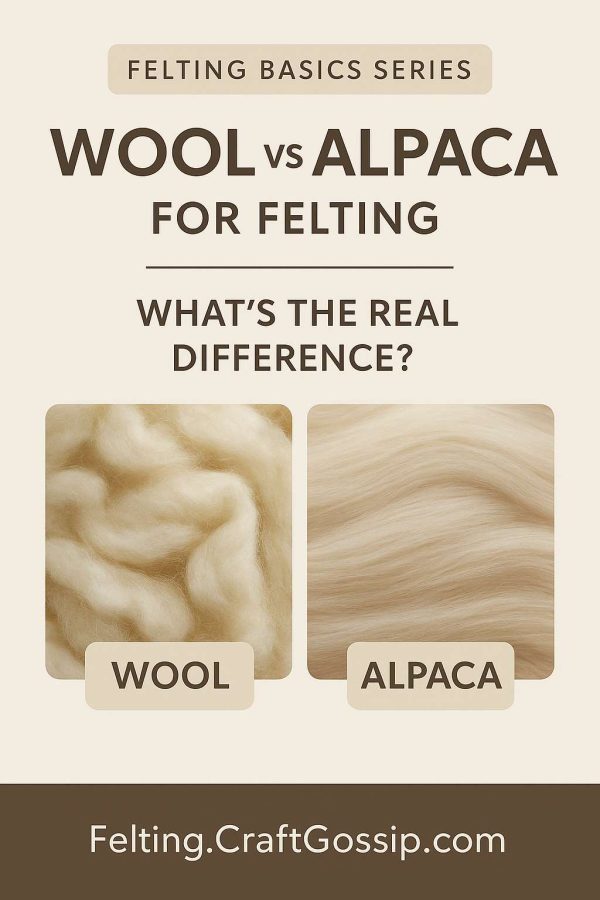
When you’ve been felting for a while, curiosity strikes. You’ve conquered Merino, you’ve dabbled in Corriedale — and then one day, you spot a basket of luxurious alpaca fiber at the craft store. It’s buttery soft, light as air, and whispers your name.
You grab a handful, dream of silky felted scarves or the fluffiest needle-felted animals… and then reality hits: it’s not quite behaving like your usual wool.
If you’ve ever wondered why alpaca feels different — and sometimes trickier — to felt than wool, you’re in the right place. Let’s dig into how these two fibers compare, how to work with each, and when blending them is the secret to felting success.
Meet the Fibers
Wool – The Classic Felter’s Fiber
Wool is the reliable workhorse of the felting world. It’s made up of fibers from sheep, and each tiny strand is covered in overlapping microscopic scales. These scales are the magic behind felting — they open up with warmth and friction, grip onto each other, and lock tight as you roll, rub, or poke.
This natural structure is why wool felts so easily. The scales act like tiny Velcro hooks, helping fibers mesh together into solid fabric or sculpture.
There are hundreds of wool breeds, but for most felters, Merino, Corriedale, and Romney are the favorites. They offer a range of textures from fine and soft to strong and structured — and they’re forgiving to work with.
Alpaca – The Silky Showstopper
Alpaca fiber comes from the soft undercoat of the alpaca — a cousin of the llama — and it’s heavenly soft. It’s warmer, lighter, and silkier than sheep’s wool, but it’s also smoother. Those missing scales that make alpaca so gentle on skin? They’re also what make it a bit of a diva when it comes to felting.
In fact, pure alpaca has fewer scales and less crimp, meaning it resists felting unless you really coax it along.
Why artists love alpaca:
- Luxuriously soft — perfect for wearables.
- Natural sheen adds elegance to finished pieces.
- Hypoallergenic — no lanolin, gentle for sensitive skin.
- Excellent drape and warmth.
Why it’s tricky:
- Doesn’t felt as quickly as wool.
- Slippery fibers can resist tangling.
- Needs blending or patience for best results.
Wool vs Alpaca: Side-by-Side Comparison
| Feature | Wool (Sheep) | Alpaca |
| Fiber Structure | Scaly, crimped | Smooth, less crimp |
| Felting Speed | Fast | Slow to moderate |
| Texture | Varies by breed; can be soft or coarse | Ultra-soft, silky |
| Drape | Medium | High (flows beautifully) |
| Warmth | Excellent | Superior (even lighter weight) |
| Durability | Strong and elastic | Slightly delicate |
| Shrinkage | High | Low to moderate |
| Best For | Needle felting, structural wet felting | Blends, wearables, nuno projects |
| Difficulty Level | Beginner-friendly | Intermediate to advanced |
Why Alpaca Doesn’t Felt as Easily
Here’s the science bit:
Wool’s microscopic scales open with heat and movement, locking fibers together permanently. Alpaca fibers, on the other hand, are smooth and less scaly, which means they slide past each other instead of gripping.
That’s why alpaca feels so wonderfully soft — and also why it needs a little help to felt well.
Solution: Blend alpaca with a small amount of wool (10–30%) to add those grabby scales back into the mix. You’ll get the softness of alpaca with the structure of wool.
Felting with Wool
Wool fibers are crimped, which creates air pockets — this gives wool its characteristic bounce and warmth. In felting, that crimp helps fibers tangle quickly.
In Needle Felting:
Wool locks fast and builds firm shapes. Perfect for sculptures, ornaments, and 3D designs.
In Wet Felting:
It shrinks quickly, producing smooth, strong felt. Ideal for functional pieces like bags or slippers as well as artistic wall hangings.
Felting with Alpaca
Alpaca requires a gentler, slower approach. It’s best used where you want softness, flow, or drape. Think elegant scarves, shawls, or fine nuno felt pieces.
Tips for Success:
- Gastado warm (not hot) water and extra friction.
- Work longer — alpaca needs time to lock.
- Consider blending with Merino for easier handling.
- Avoid overworking; it can stretch and distort.
If you’re needle felting, you’ll find alpaca behaves differently. It doesn’t form firm shapes as easily, so it’s best used as a surface fiber or for adding realistic fur texture to animal sculptures.
Blending Wool and Alpaca – The Perfect Pair
For most felters, the best of both worlds comes from mixing these fibers. Blending just a bit of wool adds structure and makes the felting process more predictable, while alpaca contributes that luxurious feel and subtle sheen.
Popular Blends:
- 70% Wool / 30% Alpaca: Great balance for wet felting wearables.
- 50/50 Blend: Good for fine art or drapey scarves.
- 10–20% Alpaca Surface Layer: Adds softness and lustre without slowing down felting too much.
How to blend:
Use hand carders, a blending board, or simply layer thin tufts of each fiber before felting.
When to Choose Wool
- You’re new to felting.
- You want quick, sturdy results.
- You’re making 3D sculptures or home décor.
- You need predictable shrinkage and control.
When to Choose Alpaca
- You’re making soft wearables or accessories.
- You love subtle sheen and luxurious drape.
- You’re comfortable working more slowly.
- You want an eco-friendly, lanolin-free fiber.
Project Ideas
- Wool: Needle-felted animals, slippers, rugs, bowls, coasters.
- Alpaca: Scarves, wraps, wall hangings, soft baby gifts.
- Blend: Nuno-felted shawls, handbags, and high-end decorative art.
Sustainability & Sourcing
Both alpaca and wool can be sustainable choices, but alpaca farming is often praised for being particularly eco-friendly. Alpacas graze gently (they snip grass instead of uprooting it) and require less land and water.
Wool, especially from small farms, can also be highly sustainable when ethically sourced. Always look for mulesing-free, cruelty-free labels and support local fiber producers when you can.
Wool and alpaca each bring something special to the felting table. Wool gives you structure, stability, and speed. Alpaca adds softness, drape, and elegance.
If you’re new to alpaca, start by blending it with your favorite wool — you’ll fall in love with the way it softens and adds that whisper of luxury to your finished felt.
And remember, part of the fun of felting is experimentation. Every fiber teaches you something new about texture, patience, and the joy of creating with your hands.
