
















News from Coop Bénimellal-KHénifra
The Ultimate Guide to Quilting Notions for Hobby Quilters – Quilting


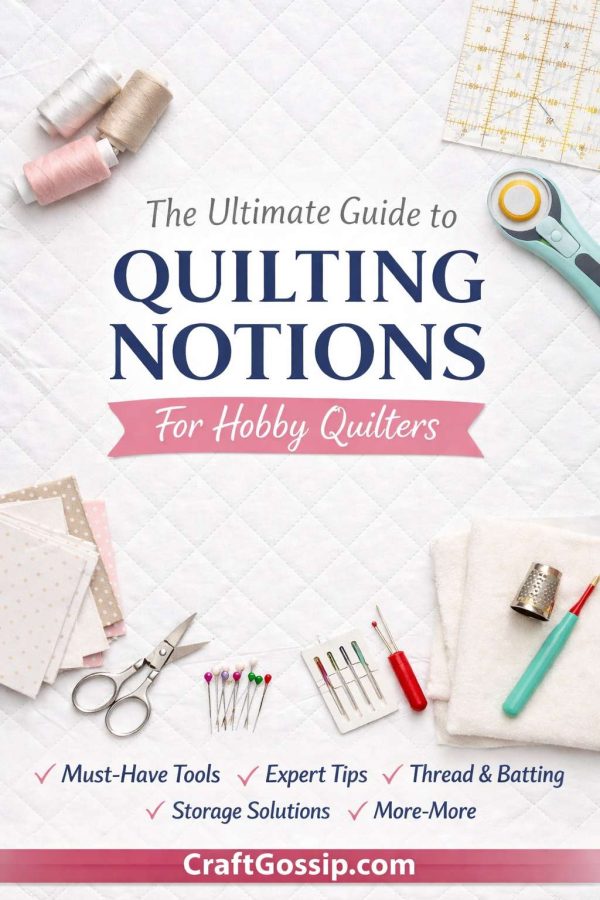
If you’ve ever stood in front of a quilting notions wall (or scrolled through pages of tools online) and thought, “Do I really need all this?” — you are absolutely not alone.
When I first started quilting, I thought fabric was the hard part. Turns out? The tools make all the difference.
The right quilting notions don’t just make things easier — they make your quilts more accurate, more durable, and honestly, more enjoyable to create. And if you’re a hobby quilter making a few treasured quilts a year, you want tools that work beautifully without feeling overwhelming or overly technical.
This guide walks you through the essential quilting notions that matter most — what they do, when you need them, and when you can skip them.
Thread: The Foundation of Every Quilt
Thread might seem simple, but it affects everything from seam strength to lint build-up in your machine.
For hobby quilters, quality cotton thread is usually the sweet spot. A fine 50wt cotton thread is ideal for piecing because it creates flatter seams and less bulk. For quilting (the stitching through all layers), some quilters prefer slightly heavier weights for visible texture.
If you’ve ever had thread break repeatedly or noticed excessive lint in your machine, upgrading your thread can make a noticeable difference.
We’ll be diving deeper into thread weights and fibre types in an upcoming guide:
Best Thread for Quilting: Cotton vs Poly vs Blend
Rotary Cutters & Cutting Mats: Accuracy Starts Here
Nothing throws off a quilt faster than inaccurate cutting.
For most hobby quilters, a 45mm rotary cutter paired with a self-healing cutting mat works beautifully. Smaller cutters are great for curves and smaller pieces, while larger blades are ideal for thick layers.
Cutting mats wear over time — if you notice grooves that guide your blade off-track, it may be time to replace yours.
Coming soon:
How to Choose the Right Rotary Cutter and When to Replace the Blade
Quilting Rulers: More Than Just Straight Lines
Rulers are where precision really begins. A good 6″ x 24″ ruler handles most strip cutting, while square rulers are perfect for trimming blocks accurately.
Hobby quilters don’t need every ruler shape available — but having a reliable core set dramatically improves consistency.
We’ll break this down in detail here:
Quilting Rulers You Actually Need (Beginner to Advanced)
Batting: What’s Inside Matters
Batting affects warmth, drape, stitch definition, and durability.
Cotton batting gives a flatter, traditional look. Polyester adds loft. Blends offer balance. The right choice depends on whether you’re making a lightweight summer quilt, a bed quilt, or a wall hanging.
If your quilts feel stiff or too puffy, the batting may be the issue — not your stitching.
Coming soon:
How to Choose the Best Batting for Your Quilt Project
Needles & Pins: Small But Mighty
Needles are often overlooked, but using the correct needle size and type can prevent skipped stitches, fabric pulls, and thread breakage.
For machine quilting, needle type matters. For hand binding, sharpness and eye size matter. For piecing, consistency matters.
We’ll cover it all in:
Needles for Quilting Machines: The Complete Guide
Marking Tools That Won’t Ruin Your Quilt
If you’ve ever had a marking line refuse to wash out, you understand the importance of choosing the right tool.
There are air-erase pens, water-soluble markers, chalk pencils, and hera markers — each suited to different fabric types and uses.
Before you mark your next quilt, you’ll want to read:
Marking Tools That Won’t Bleed or Ghost on Fabric
Pressing Tools: The Secret to Crisp Seams
Pressing — not ironing — is what gives quilts that professional finish.
A good iron with consistent steam, a pressing mat, and tools like seam rollers can transform bulky seams into flat, cooperative blocks.
Up next:
Pressing Tools That Make Quilts Look Professional
Specialty Techniques: Tools That Make Them Easier
As hobby quilters grow, many branch into techniques like:
- Foundation Paper Piecing
- English Paper Piecing
- Appliqué
- Longarm quilting
Each of these techniques benefits from specific tools that make the process smoother and more enjoyable.
We’ll explore:
- Foundation Paper Piecing Tools That Make It Easier
- English Paper Piecing Supplies You’ll Actually Use
- Longarm Quilting Essentials for Better Results
Sewing Room Comfort & Organisation
Quilting should be joyful — not painful.
Proper lighting reduces eye strain. Good seating supports your back. Smart storage keeps your thread, rulers, and tools accessible without clutter.
Many hobby quilters don’t realise how much comfort impacts accuracy and enjoyment.
We’ll be covering:
- Best Lighting for Quilting Rooms
- Storage Solutions for Threads, Rulers & Notions
Do You Need Everything?
No.
And that’s important.
Hobby quilting isn’t about collecting every new gadget. It’s about investing in tools that improve your experience and make the quilts you already love creating even better.
Start with:
- Reliable thread
- A sharp rotary cutter
- A good ruler
- Quality batting
- The correct needle
Everything else can grow with your skills and curiosity.
Where to Find Reliable Quilting Notions
When choosing quilting notions, consistency matters. Reliable brands and well-reviewed tools can save you frustration and wasted fabric.
You can browse a wide range of quilting notions — from thread and batting to rulers, lighting, and specialty tools — through Fat Quarter Shop’s quilting notions collection. It’s a helpful place to compare options when upgrading or replacing tools.
This guide will continue expanding as we publish detailed breakdowns of each notion category. Bookmark this page and check back as we build a complete resource designed specifically for hobby quilters.
Because quilting should feel satisfying — not confusing.
